RSS

How Do 2026 Assessments Stack Up to Last Year?

Across the region, assessment changes for 2026 are mixed. Some properties are up, some are down, and many are relatively unchanged.

A few key things to keep in mind:

  • Assessments rely on historical sales data, not current listings

  • Your individual change matters less than how it compares to similar homes nearby

  • An increase in assessed value does not automatically mean higher taxes

That’s why two nearly identical homes on the same street can see different assessment changes — and different tax impacts.


Does a Higher Assessment Mean Higher Property Taxes?

Short answer: not necessarily.

Property taxes in BC are determined by:

  • Municipal and regional budgets

  • The total assessed value of all properties

  • Your property’s value relative to others

Here’s how that plays out:

  • If your assessment rose less than the average, your taxes could remain stable or even decrease

  • If municipal spending is restrained, large tax increases are less likely

  • Assessments themselves don’t set taxes — budgets do

A simple way to think about it:
It’s like splitting a group bill. If everyone’s share goes up, your portion may not change much at all.


Why Assessments Don’t Equal Market Value

When pricing a home properly, BC Assessment is just one reference point — not the deciding factor.

A true market value analysis also looks at:

  • Recent sold prices, not just asking prices

  • Current buyer demand and inventory

  • Location, condition, layout, and upgrades

  • Zoning, lot usability, and development potential

  • Timing and broader market momentum

Two homes with the same assessed value can sell for very different prices depending on these factors. That’s why assessments are useful for background — but they don’t replace real-world market insight.


When an Assessment Might Be Off

Because BC Assessments are completed at scale, errors and oversights can happen.

Common issues include:

  • Incorrect square footage or lot size

  • Condition not accurately reflected (updated vs original)

  • Overstated views, access, or features

  • Poor comparable property selection

  • Zoning or development restrictions not fully considered

Before jumping straight to an appeal, it’s important to review your property details carefully and compare them to truly similar homes in your area.


How to Challenge Your BC Assessment

If, after reviewing the information, you believe your assessment doesn’t accurately reflect your property, you do have options.

General steps include:

  1. Review your assessment details closely

  2. Compare your value to similar nearby properties

  3. Contact BC Assessment for clarification

  4. File a formal appeal if needed (before the deadline)

You can begin the process here:
👉 https://www.bcassessment.ca

Deadlines are firm, so it’s important not to delay if something doesn’t look right.


Final Takeaway

BC Assessments serve an important purpose — but they’re not a price tag and they’re not a prediction.

They’re a six-month-old estimate designed to help municipalities calculate property taxes, and they’re just one of several tools professionals use when evaluating real market value.

If you’re unsure whether your assessment makes sense, or you’d like to compare it against recent sales and current market conditions, I’m always happy to help. Often, a quick conversation can bring clarity — and in some cases, even save you money.

Have questions? Reach out anytime.

Read

Simple Home Organization Tips

A well-organized home isn’t just about keeping things tidy—it’s about creating a space that supports your family’s daily life. For families living in the Alberni Valley and across Vancouver Island, smart organization can improve how your home functions, feels, and even how it’s perceived by future buyers.

Whether you’re refreshing your space for the new year, preparing to sell, or settling into a new home, these practical organization strategies—paired with interior designer and realtor insights—will help you create a calmer, more functional home.


1. The “One In, One Out” Rule for Long-Term Balance

To prevent clutter from creeping back in, follow the “one in, one out” rule. Every time you bring a new item into your home—clothing, décor, toys, or kitchen tools—remove one similar item.

Interior designer insight: Clutter competes visually with your finishes, furniture, and lighting. Fewer items allow design elements to stand out and make rooms feel larger and more intentional.

Real estate tip: Buyers are drawn to homes that feel spacious and clutter-free. This rule is a simple first step when preparing your home for showings.


2. Declutter by Category, Not by Room

Instead of organizing one room at a time, declutter by category throughout your entire home—clothing, books, paperwork, or toiletries. This approach helps you see how much you truly own and make consistent decisions.

Design perspective: This method creates visual consistency from room to room, which is especially important in open-concept homes common throughout Vancouver Island.


3. Maximize Vertical Space

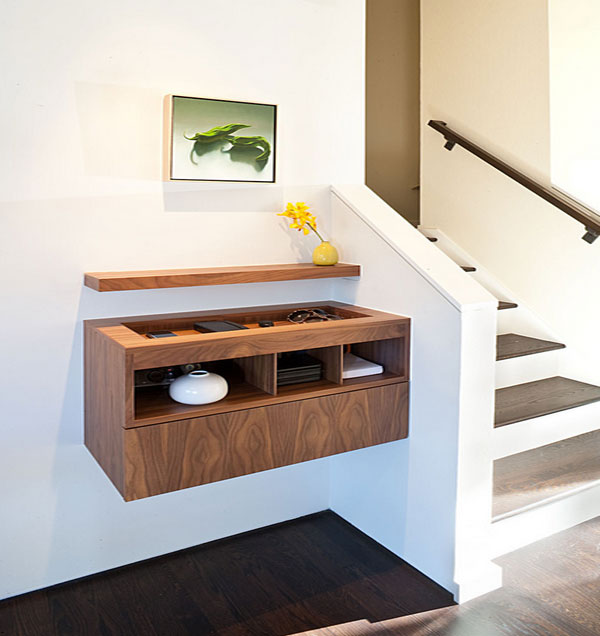
When square footage is limited, look up. Floating shelves, tall cabinetry, over-the-door organizers, and vertical pantry storage make the most of your home’s height without crowding the floor.

Interior designer insight: Vertical storage draws the eye upward, making ceilings feel higher and rooms more spacious—an easy way to enhance both form and function in Alberni Valley homes.


4. Organize Your Home Using Functional Zones

Assign specific zones for everyday activities:

  • A landing zone near the entry for shoes, bags, and keys

  • A snack zone in the kitchen for kids

  • A charging zone for phones and electronics

Designer tip: Zoning improves flow and reduces visual noise, allowing each area of your home to feel purposeful and well thought out.

Buyer appeal: Organized storage spaces photograph better and leave a strong impression during home tours.


5. Contain, Label, and Simplify

Once items are sorted, use bins, baskets, drawer dividers, and clear containers to keep everything in its place. Labels ensure the whole household knows where items belong.

Interior designer insight: Clean, uniform storage solutions create a cohesive look—especially inside closets, pantries, and laundry rooms, which are often overlooked but highly impactful.


6. Create a Donation Station

Designate a donation bin in a closet or garage. When something no longer serves your family or your space, place it there immediately. Once full, donate locally.

Design mindset: A curated home always feels more elevated than a crowded one. Regular editing keeps your space feeling fresh and intentional.


How Organization Enhances Design & Home Value on Vancouver Island

From an interior design and real estate perspective, organization plays a major role in how a home is experienced. A well-organized space feels:

  • Larger and brighter

  • Easier to maintain

  • More inviting and move-in ready

For homeowners in the Alberni Valley and across Vancouver Island, thoughtful organization enhances daily living while also supporting long-term home value.


Ready to Refresh, Redesign, or Prepare Your Home?

As a real estate professional and interior designer, I help families create spaces that are both beautiful and functional—whether you’re redesigning your space, preparing to sell, or searching for a home that truly fits your lifestyle.

📩 Let’s chat about how small changes can make a big impact on your home’s comfort, value, and appeal.

— Tara Johnson
Tara Johnson Real Estate + Design

Read

🏦 Bank of Canada Lowers Policy Rate to 2.25% — What It Means for Homeowners and Buyers

The Bank of Canada has lowered its overnight rate by 25 basis points to 2.25%, with the Bank Rate at 2.50% and the deposit rate at 2.20%.

This latest move is part of the Bank’s ongoing effort to support Canada’s slowing economy while keeping inflation near its 2% target.


💡 What Does This Mean for You?

Variable-Rate Mortgage Holders:
Expect a modest but welcome drop in your monthly payments as lenders adjust their prime rates to reflect this latest cut. Even a small decrease can make a noticeable difference over time.

Fixed-Rate Borrowers and Renewals:
While fixed rates don’t move directly with the Bank of Canada’s policy rate, bond yields often follow policy trends. This could mean potential savings if you’re renewing your mortgage or considering refinancing soon.

📉 Overall Market Outlook:
The Bank notes that the current rate is likely close to the “neutral” zone — meaning we may not see many more cuts unless the economy slows further. Still, it remains ready to adjust again if economic conditions change.


📊 Why the Bank Made This Move

  • Weaker Growth: Canada’s economy contracted 1.6% in Q2, with exports and business investment both softening.

  • Soft Labour Market: Unemployment sits at 7.1% (as of September), with job losses in trade-sensitive industries.

  • Sticky Inflation: While CPI inflation eased to 2.4%, core inflation remains around 3%, showing that price pressures persist.

  • Global Headwinds: Ongoing U.S. trade actions and tariffs continue to strain Canada’s manufacturing and export sectors.

  • Gradual Recovery Ahead: The Bank projects GDP growth of 1.2% in 2025 and 1.1% in 2026, with a slow but steady recovery expected into 2027.


🏠 What This Means for the Alberni Valley Real Estate Market

Here in the Alberni Valley, where affordability and lifestyle remain key draws for buyers, a lower interest rate can help boost confidence and increase borrowing power.

We could see more movement in the market as buyers take advantage of lower rates and sellers gain access to a larger pool of qualified buyers.

If you’ve been waiting to make a move — whether that’s buying your first home, upgrading, or investing — this rate cut might be the opportunity you’ve been waiting for.

📩 Let’s chat about how this change could impact your real estate plans in the Alberni Valley.
I’d be happy to walk you through your options and help you make the most of this evolving market.

Read

10 Things to Consider Before Renewing Your Mortgage

Many Canadian mortgage holders renew without asking any questions—often ending up with a higher rate or a mortgage product that doesn’t meet their needs. Don’t fall into this trap. Take a careful look at your current situation, put a plan in place, and let lenders compete for your business to ensure you get the best mortgage possible. Here’s what you need to consider before renewing your mortgage.


1. Put a Plan in Place

Don’t wait until the last minute to act on your mortgage renewal. Start reassessing your needs well in advance of your renewal date to secure the best rate and product for you and your family. The Canadian Real Estate Association (CREA) suggests reviewing your needs four months before your renewal date. This includes:

  • Researching current market trends, interest rates, and lenders’ products.

  • Educating yourself on all available options, including reverse mortgages.

  • Assessing your financial situation—savings goals, children’s education, and debt consolidation.


2. Do Your Research

Leading up to your renewal date, take time to compare products, features, and interest rates across multiple lenders. Check interest rate trends, and shop around for better deals. Resources like the Financial Consumer Agency of Canada website offer up-to-date information and FAQs on mortgage renewals. Your REALTOR® can also provide valuable insights on what to consider when renewing.


3. Request a Lower Rate

Negotiating with your current lender for a lower interest rate is often overlooked. Even if your renewal letter suggests a higher rate, you may qualify for a discount. Mention any offers you’ve received from competing banks or mortgage brokers—this puts pressure on your lender to give you the best deal.


4. Consider This a Fresh Start

Much may have changed since your original mortgage. Perhaps you or your spouse switched careers, your children moved out, or interest rates have dropped significantly. Don’t feel obligated to accept the same mortgage terms—use your renewal as a chance to reassess.


5. Expand Your Horizon

Lenders constantly offer new products and features. You could benefit from:

  • Improved pre-payment options

  • Cash-back programs

  • Accelerated payment schedules

  • Investment opportunities

If you’re considering building instead of buying, investigate construction mortgage loans to fund your dream home.


6. You Don’t Have to Renew with the Same Lender

Your current lender isn’t your only option. If another bank or broker offers a better rate or improved terms, you’re free to switch. Start exploring your options well in advance, so you don’t miss out on the best deal.


7. You Can Refinance

Renewal time is an opportunity to refinance and access your home equity. Whether it’s for renovations, consolidating debt, funding education, or investing, refinancing at renewal can save you thousands. There are no early-payment penalties when your mortgage term ends, making this the perfect time to take action.


8. Don’t Get Intimidated by Fees

Switching lenders may involve some fees, such as:

  • New lender set-up fees (discharge and registration)

  • Transfer or reassignment fees

  • Appraisal fees to confirm your home’s value

Other considerations include mortgage loan insurance premiums or collateral charges. Ask your new lender if they’ll cover some or all of the discharge fees—it could save you money. Even with fees, switching can be worthwhile compared to long-term interest savings.


9. Switching Lenders Equals More Work

Keep in mind that switching lenders means reapplying for a mortgage. You’ll need to prove income, undergo a credit check, and complete additional paperwork. Weigh the benefits carefully before deciding to move your mortgage.


10. Aim to Keep Your Payments the Same

If your current monthly payment is manageable, consider keeping it the same after renewal. With a lower interest rate, this strategy helps you pay off your mortgage faster while boosting your financial security.


Bottom line: Don’t wait for your renewal letter and don’t let your lender automatically renew your mortgage. Being proactive and taking action months in advance can save you thousands of dollars and ensure your mortgage suits your life today—not just when you first signed it.

Read

Bank of Canada Cuts Interest Rate: What It Means for Port Alberni Buyers and Homeowners

On September 17, the Bank of Canada made a major move, lowering its overnight policy rate from 2.75% to 2.5% - the first rate cut since March and the lowest level in three years.

If you're keeping an eye on Port Alberni houses for sale or planning your first step into the Vancouver Island real estate market, here’s what this means for you - and why now could be a smart time to act.


🔍 What Happened on September 17?

The Bank’s decision to lower the benchmark rate was driven by:

  • Signs of a slowing economy

  • A cooling job market

  • Easing inflation pressures

  • Uncertainty around global trade and tariffs

Because the overnight rate impacts borrowing costs, including the prime rate, it also affects mortgages, lines of credit, and other variable-rate loans - which directly affects real estate affordability.


🏡 How This Rate Cut Helps Port Alberni Homeowners

If you're one of the 23% of Canadian mortgage holders with a variable-rate mortgage, this interest rate cut likely means instant savings on your monthly payments.

If you’re thinking, “How to sell my house fast in Port Alberni?” - this is good news. Lower rates can stimulate buyer interest, making your property more attractive to a larger pool of qualified buyers.

This is also a great time for anyone owning or considering rental properties in Port Alberni, as reduced borrowing costs can improve cash flow and return on investment.


🧑‍💼 First-Time Buyers: Here’s What to Know

This could be the moment you’ve been waiting for.

Even if you're not using a variable mortgage, fixed rates are influenced by the Bank’s moves and tend to stabilize or drop after a rate cut. As a result, some buyers may now qualify for more, opening doors to family homes in the Alberni Valley or even Vancouver Island vacation homes.

Understanding how today’s rates affect your budget, mortgage pre-approval, and property search. With the average 5-year fixed mortgage now sitting between 3.7% and 4.5%, your purchasing power may be stronger than you think.


🌊 Interest in Waterfront and Vacation Properties Is Rising

With affordability slightly improving, interest is growing in waterfront properties on Vancouver Island — especially among out-of-town buyers seeking vacation homes or investment opportunities.

Whether you're dreaming of lakefront living in Sproat Lake, or browsing Vancouver Island vacation homes for weekend getaways, this market shift could make those goals more achievable.


📈 CREA's Fall 2025 Outlook: Positive Momentum

According to the Canadian Real Estate Association (CREA), the fall market is trending upward. August marked the fifth consecutive month of increased home sales, and new listings are up 8.8% year-over-year.

Shaun Cathcart, CREA’s Senior Economist, said:
“We’re going to see a lot of buyers start to show up and start to pick these listings off any day now.”

If you’re wondering how to invest in real estate in the Alberni Valley, this combination of lower rates and increased inventory could be your golden window.


🔮 Will Interest Rates Fall Again?

More rate cuts are possible in late 2025, depending on inflation, employment data, and global trends. At 2.5%, the Bank of Canada still has room to move, but it will likely proceed with caution.

For now, buyers and investors are advised to watch:

  • Monthly inflation reports

  • Job numbers

  • Global market conditions


🤝 Why You Need a REALTOR® in a Market Like This

Whether you’re buying, selling, or investing, working with a REALTOR® ensures you’re not navigating this complex market alone.

If you're searching for Port Alberni houses for sale, we can:

  • Set up custom searches for family homes in the Alberni Valley

  • Find off-market deals on rental properties in Port Alberni

  • Guide you through financing and pre-approvals

  • Tap into our local network for properties coming soon

If you're selling, we can help you get the most from today’s buyers — whether you’re offloading a starter home, a waterfront escape, or a long-held investment property.


📞 Don’t Miss the Moment — Let’s Talk

With interest rates lower and buyer activity rising, this could be the perfect time to make your move.

Whether you're:

  • A first-time buyer

  • An investor looking for income properties

  • Planning to downsize or upgrade

  • Or simply curious about how to sell your house fast in Port Alberni

…I’m here to help you navigate it all with confidence.

👉 Contact me today to take the next step in your real estate journey.

Read

Four Things to Consider When Viewing Houses Online – Virtual Home Tour Tips for Buyers

Four Things to Consider When Viewing Houses Online

House hunting has gone digital — and it’s not just a passing trend. With high-quality listing photos, interactive floor plans, and even 3D virtual tours, buyers today can explore homes without leaving the couch. While nothing replaces an in-person walk-through, online tools make it possible to narrow down your options and even complete the purchase process entirely virtually.

But here’s the thing: a screen can’t always tell the full story. To make the most of your online viewing experience, here are four key things to keep in mind.


1. Make the Most of 3D & Virtual Tours

If you can’t be there in person, 3D and 360° tours are the next best thing. They let you “walk” through the home at your own pace, exploring every corner as if you were really there. This is especially useful for understanding the layout, flow, and size of the rooms — something static photos can’t always capture.

Many agents also offer live virtual walk-throughs, where they guide you through the home via video call and answer your questions in real time. Don’t hesitate to request one — it’s a great way to get a feel for the space and clarify anything you notice during your virtual tour.


2. Look Beyond the Pretty Pictures

Professional photos are designed to make a property shine, but they can’t show everything. As you scroll through, note where the windows are, how much natural light each room might get, and whether the spaces feel open or closed off.

If the home is staged, imagine how your own furniture would fit. If it’s empty, mentally place your couch, dining table, or bed to see if the layout works for you. And remember — wide-angle lenses can make rooms look bigger than they actually are, so cross-reference with the square footage listed.


3. Spot Potential Fixes or Renovations

Even if a home looks move-in ready, think critically about what changes you’d want to make. Would you repaint a room? Replace flooring? Update the kitchen or bathroom?

These considerations aren’t just about style — they help you understand the potential cost, time, and effort involved after move-in. And don’t forget: some fixes (like paint) are simple and inexpensive, while others (like major renovations) require a bigger budget.


4. Don’t Forget the Outdoor Space

It’s easy to focus on what’s inside, but the exterior matters too. Whether it’s a small patio, a wraparound deck, or a sprawling backyard, outdoor space impacts both your lifestyle and upkeep.

Look for photos taken in different seasons, if possible, to see how the property changes throughout the year. And think about practical details — sun exposure, privacy, furniture placement, and maintenance needs.


Final Thought: Have Fun With It

House hunting — even virtually — should be exciting. Yes, you might see a few homes that miss the mark, but each one helps you get closer to “the one.”

And remember, a knowledgeable local agent can provide extra insights that aren’t always listed online. If you’re ready to explore homes in the Port Alberni area (virtually or in person), I’d be happy to help you find the perfect fit.

📩 Let’s connect: www.tarajohnson.ca

Read

How First-Time Homebuyers Can Buy a Home with No Down Payment in the Port Alberni Valley

Can You Really Buy a Home with No Down Payment?

For many first-time homebuyers, saving enough for a down payment can feel like an uphill battle. You might wonder: “Can I really buy a home with no down payment?”

The short answer is technically no—Canadian lenders require a minimum down payment—but practically speaking, yes, if you use the right strategy.

If you’ve been dreaming of buying a home in the Port Alberni Valley, whether it’s a cozy rancher for sale in Port Alberni, a stylish condo, or acreage in the Alberni Valley, there are legitimate ways to enter the housing market without years of saving.


What is a No Down Payment Mortgage?

In Canada, traditional lenders require:

  • 5% down on the first $500,000 of a home’s purchase price

  • 10% down on any portion above that

A no down payment mortgage doesn’t remove the requirement—it simply means you source those funds differently. These mortgages finance 100% of the purchase price, but lenders may require:

  • Higher credit scores

  • Proof of stable income

  • Lower debt-to-income ratios

  • Possibly higher interest rates or fees

If you’re ready for the responsibilities of building home equity in your first home, here are your main no-down-payment options.


5 Ways to Buy a Home with No Down Payment

1. Government Programs

  • CMHC FlexDown – Lets you borrow your down payment from a personal loan, line of credit, or other eligible sources.

  • Local Assistance – Some municipalities and provinces offer down payment assistance, especially for first-time buyers or essential workers.

2. Private Lenders

Private lenders can offer more flexible financing than traditional banks. While interest rates may be higher, this can be a stepping stone to get into the market now and refinance later.

3. Vendor Take Back (VTB) Mortgages

In a VTB arrangement, the seller lends you part or all of the purchase price. This can work well when a motivated seller and buyer need a creative financing solution.

4. Rent-to-Own

Rent now with a portion of your monthly payment going toward your future down payment. This lets you lock in today’s purchase price while building equity before you officially own the home.

5. Leveraging Existing Equity

If you already own property, you can refinance or use a Home Equity Line of Credit (HELOC) to fund the down payment on your next purchase.


Why Choose the Port Alberni Valley?

Whether you’re buying a home in the Port Alberni Valley for the first time or selling a home in the Port Alberni Valley to move up, this community offers a rare mix—a small town with all the amenities. You’ll find schools, shops, healthcare, and endless outdoor activities right at your doorstep.

From waterfront properties to acreage in the Alberni Valley, the region has something for every lifestyle and budget.


Steps to Get Started

1. Assess Your Finances

  • Check your credit score (Equifax or TransUnion)

  • Review your debt-to-income ratio

2. Compare Lenders

  • Explore banks, credit unions, and private lenders

  • Use a mortgage broker for multiple quotes

3. Get Pre-Approved

  • Gather financial documents (income, tax returns, ID)

  • Review interest rates, fees, and repayment terms

4. Work with a Local Real Estate Expert
A knowledgeable real estate agent in Port Alberni can help you identify no-down-payment opportunities and negotiate the best deal for your needs.


The Bottom Line

Buying a home with no down payment is possible when you combine the right financing strategy with the guidance of an experienced Port Alberni realtor. Whether your dream is a low-maintenance rancher or sprawling acreage in the Alberni Valley, you don’t have to wait years to save.

Ready to start building home equity? Reach out to a trusted real estate agent in Port Alberni today and take your first step toward homeownership.

Read
MLS® property information is provided under copyright© by the Vancouver Island Real Estate Board and Victoria Real Estate Board. The information is from sources deemed reliable, but should not be relied upon without independent verification.